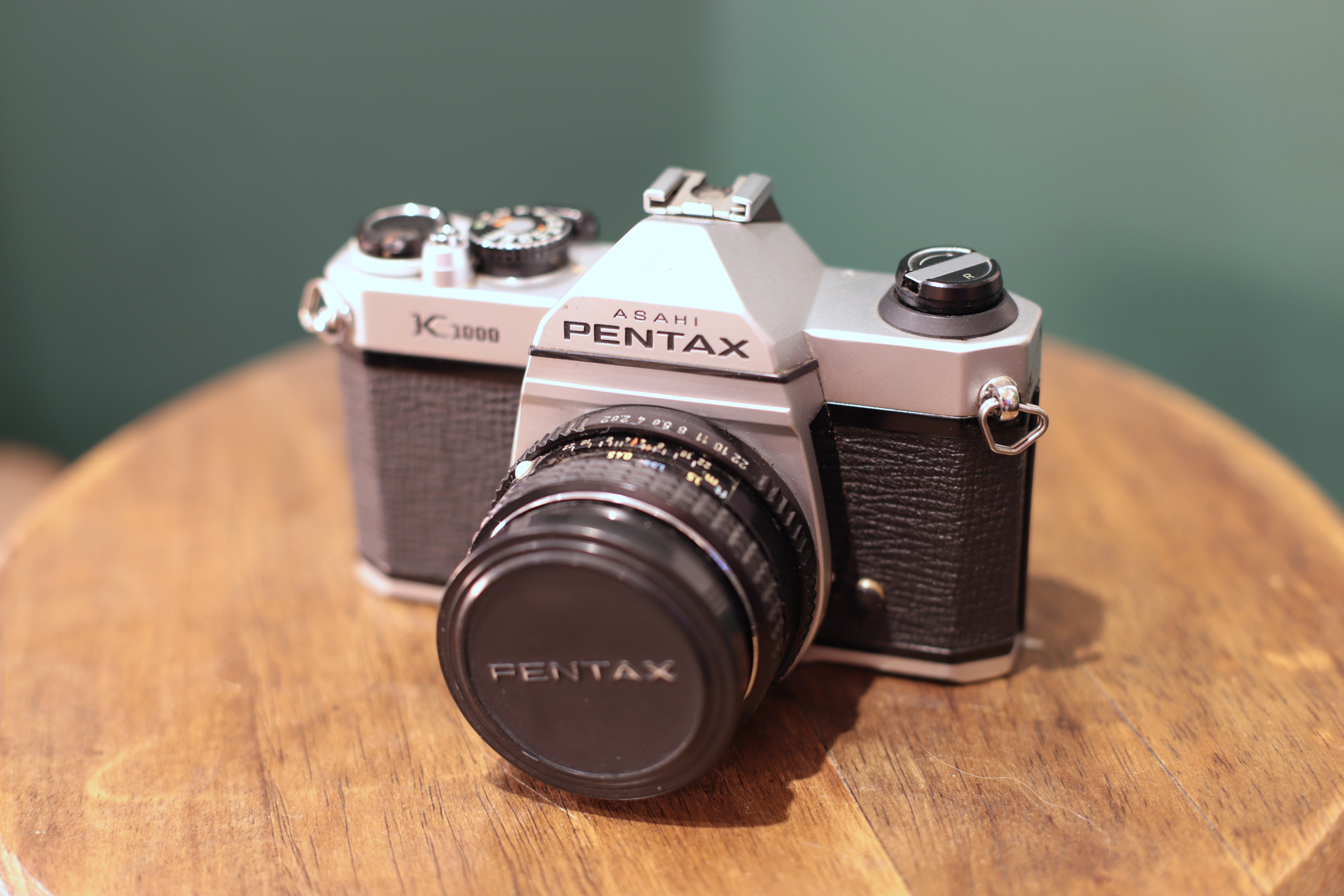
Found buried in my parent’s guest-room closet, the K1000 was my high school and college stalwart, and the first proper camera I ever used. Although the professional DSLRs at that time had less than 20megapixels, film was clearly waning. I bought 4-packs of Fujifilm at the drugstore, took photos of my friends leaning against their cars smoking cigarettes, and brought the spent rolls back to the drugstore the next day to get developed. Epitomized as the classic “student camera,” I too learned f-stops and film-speeds on a Pentax. While this camera is nothing special, the K1000 is an incredibly potent icon; it is a token that allows its user to commune with an entire generation of past enthusiasts while shepherding the hobby through into the modern era.
Pentax k1000
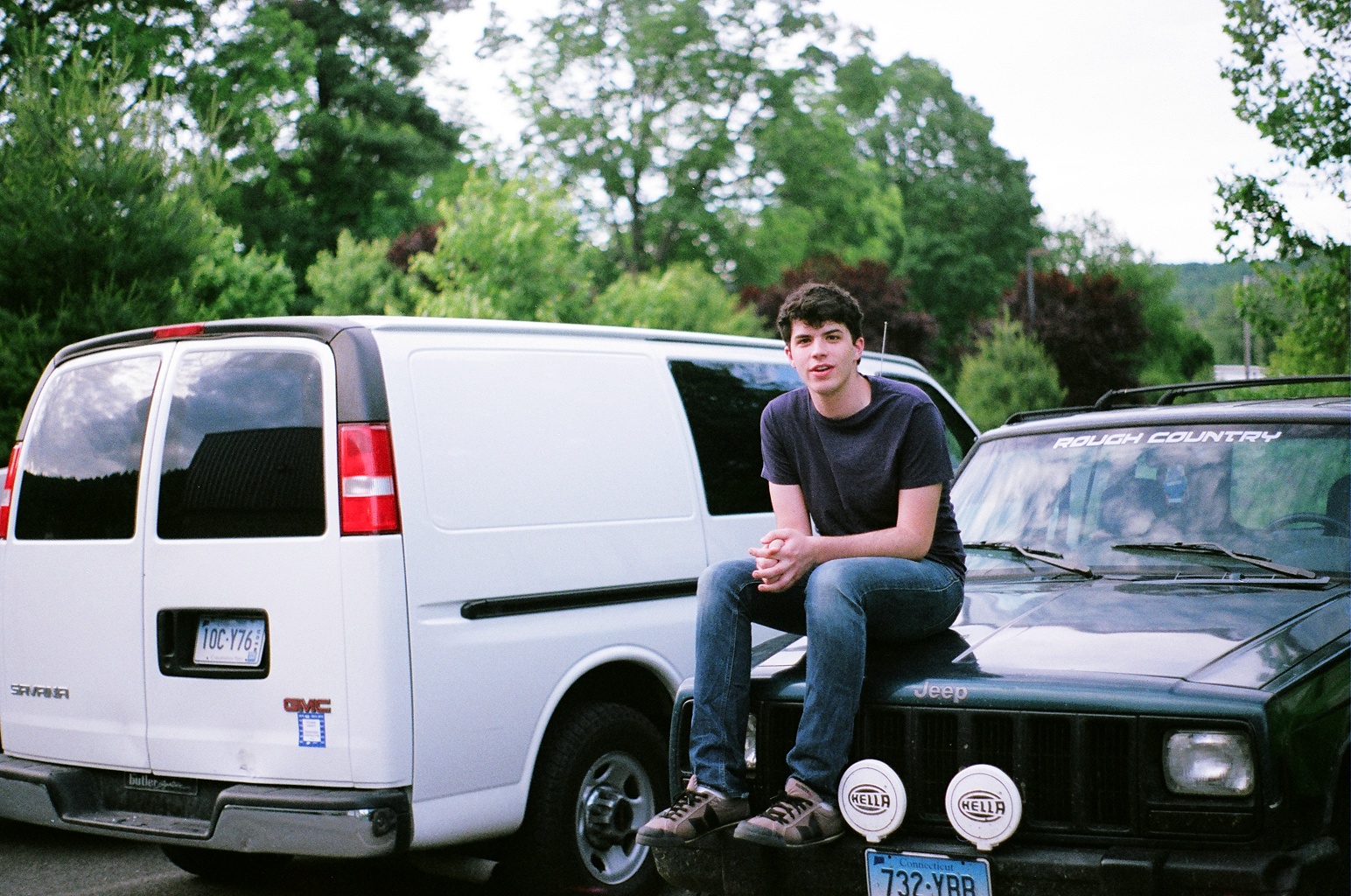

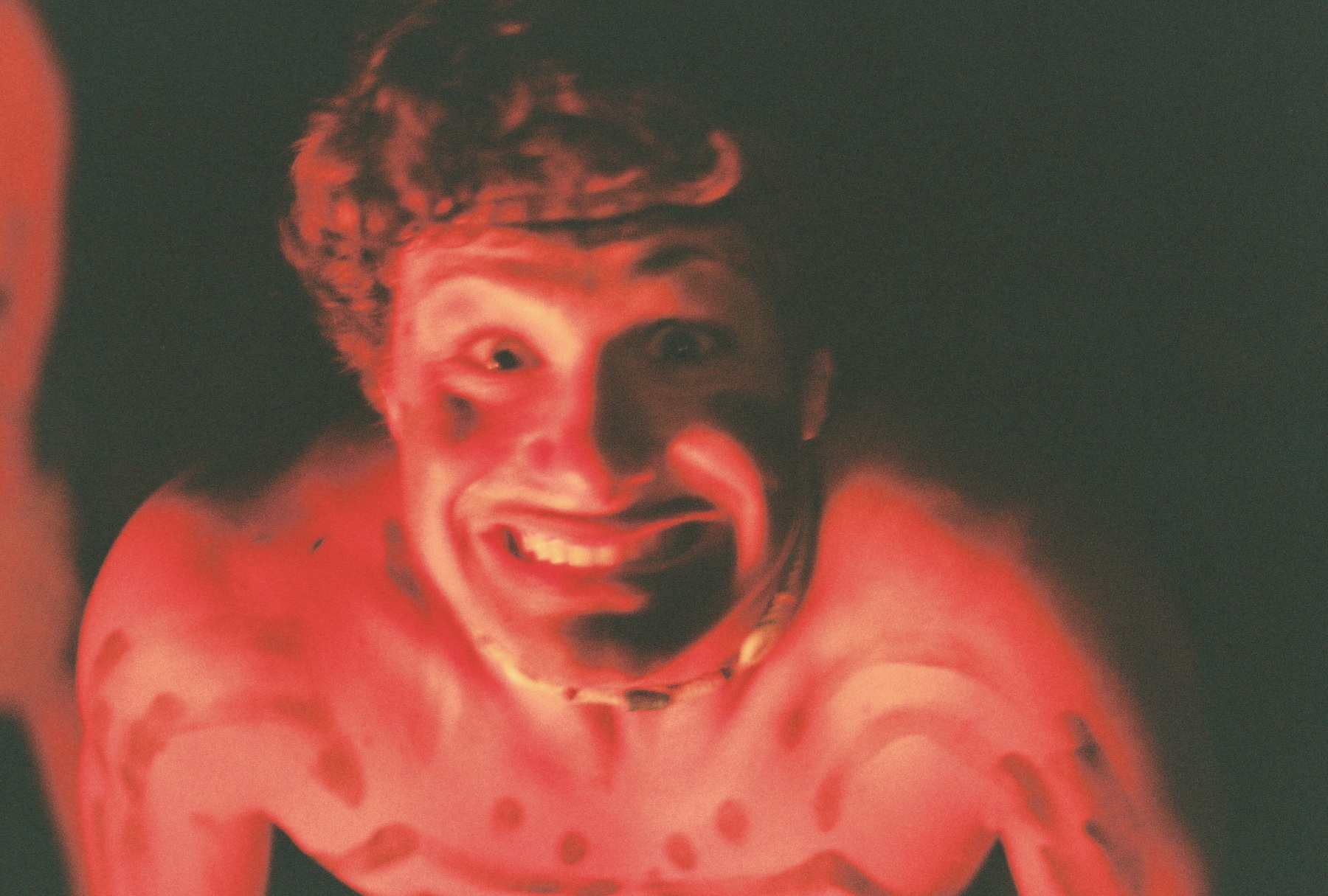
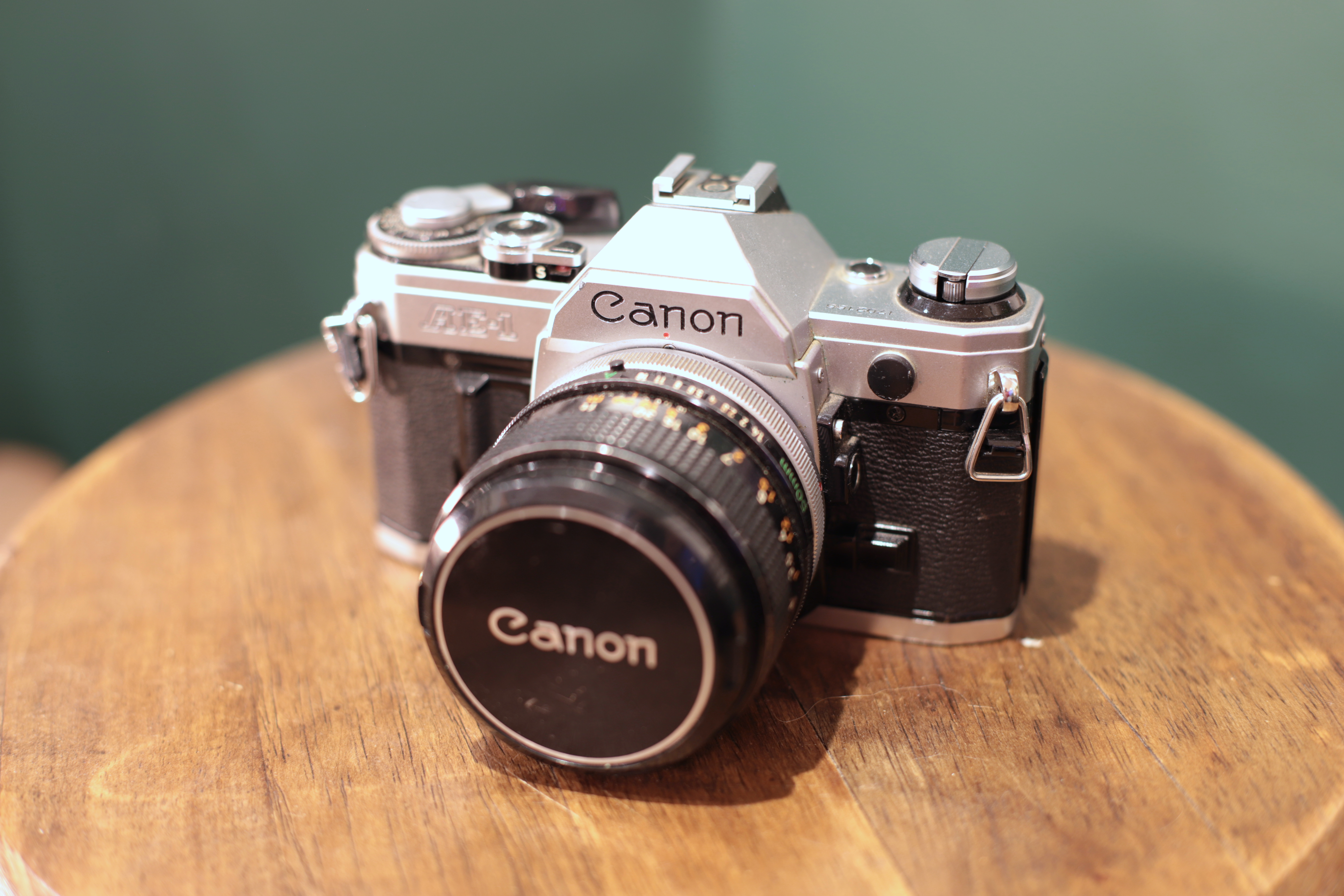
My all-around most-often used camera, the AE-1 is another ubiquitous classic with some modern flourishes. When I picked up this camera in my early 20s, I became more than a student journalist, I became more than a tumblr lomographer; now I had enough cameras to qualify as a collection (two), and I became a bona fide analog enthusiast. While my style slowly evolved, the AE-1 proved to be a great platform with a diverse array of lenses. I stalked thrift stores and estate sales and finally found an f/1.4 FD lens, a full stop faster than the K1000 kit-lens I had used for so long, and perfect for the moody, candid photos I so liked to take.
Canon AE-1
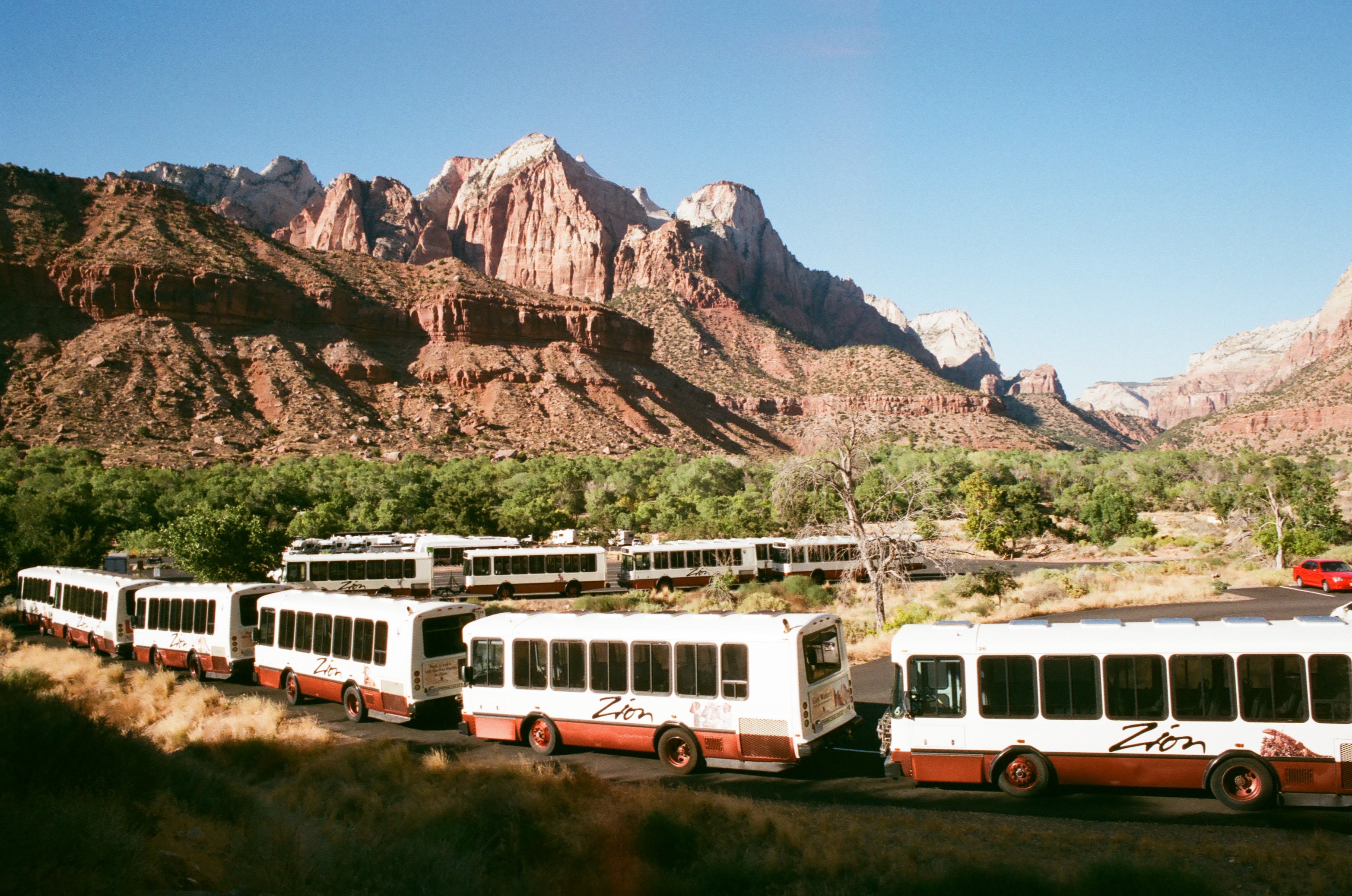
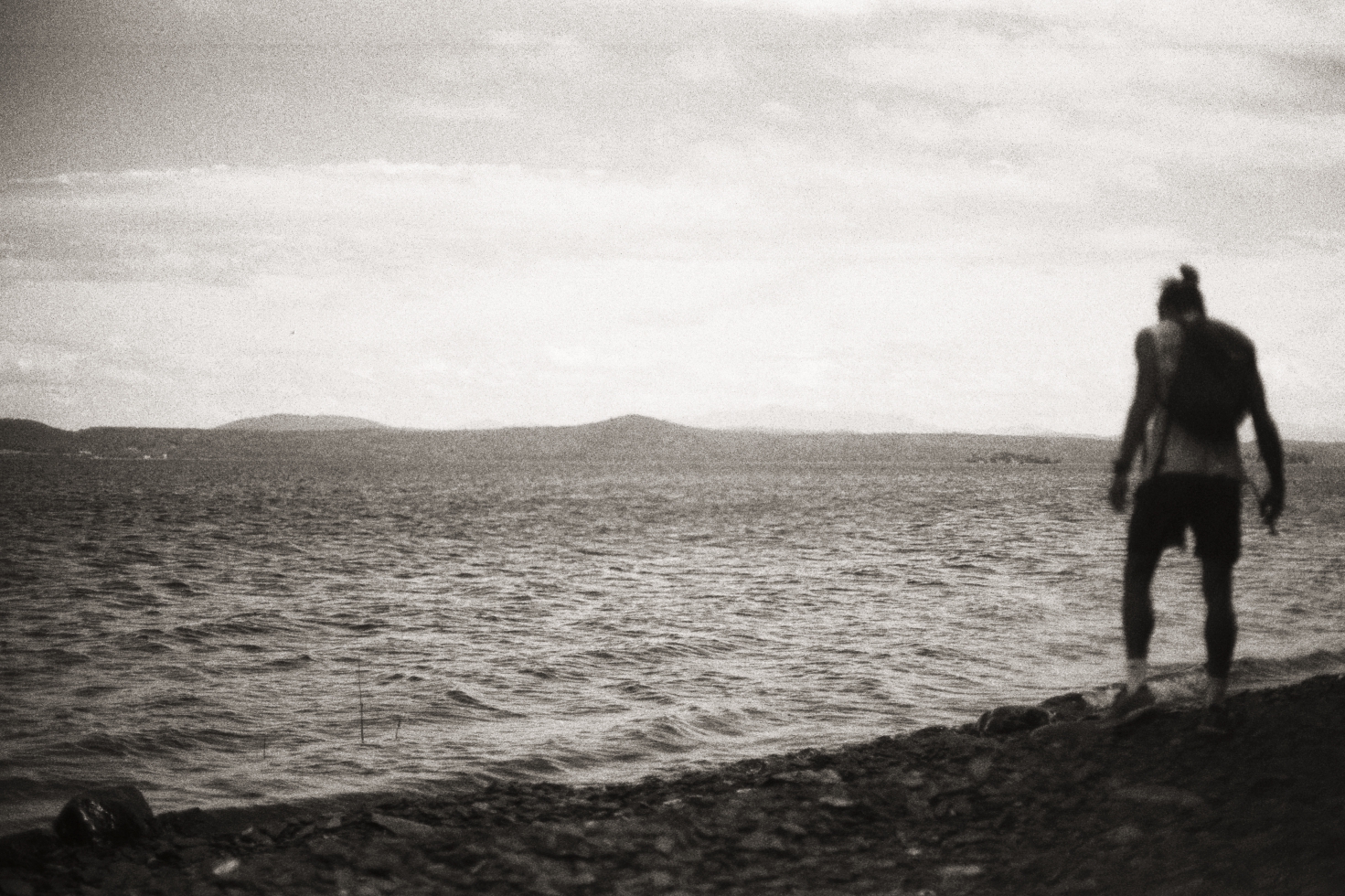

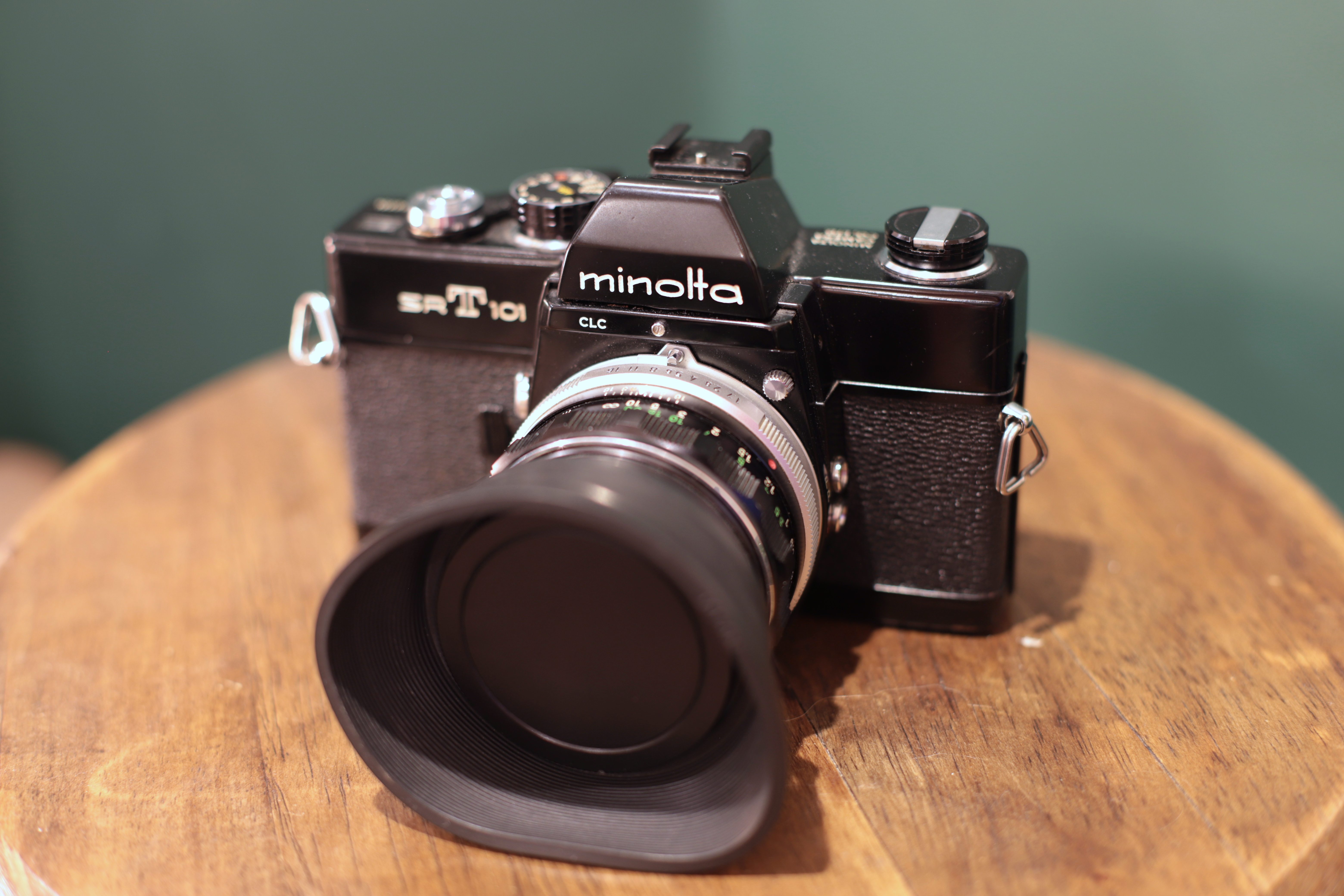
A bit older than the AE-1, the SRT101 is an absolute tank with great features. Compared to most of my other cameras, this one is a bit heavy for all-day street photography, but the creature comforts make a huge difference. All cameras should have a through-the-lens view of shutter speed. All cameras should have a mirror lockup to reduce motion on long exposures. The biggest downside for me is the lack of hot shoe; I would loathe to be the type of photographer who’s gauche enough to be futzing around with a sync cable. Despite this, and although it has not been my most frequently used, the SRT101 is probably my favorite film camera.
Minolta SRT101
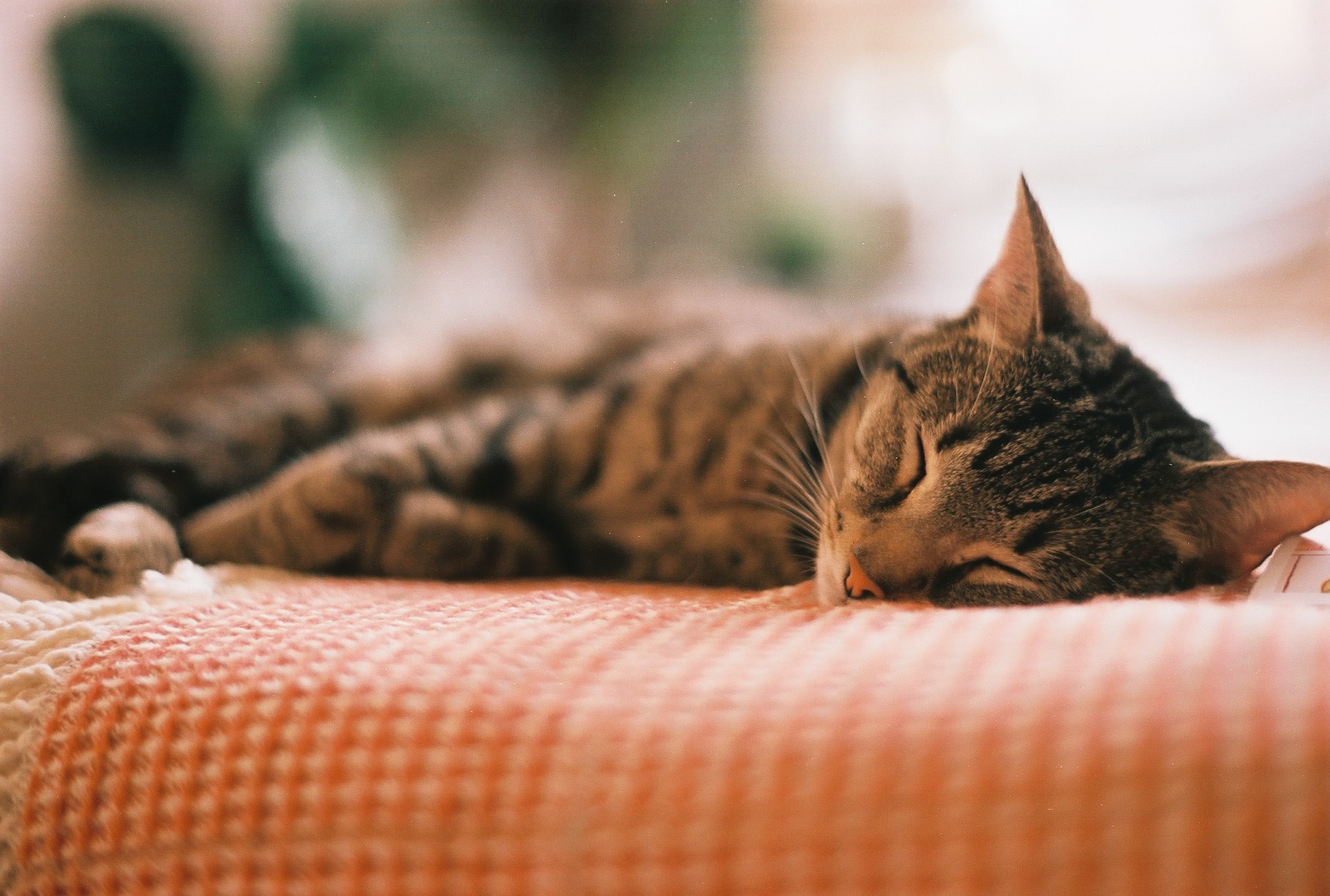
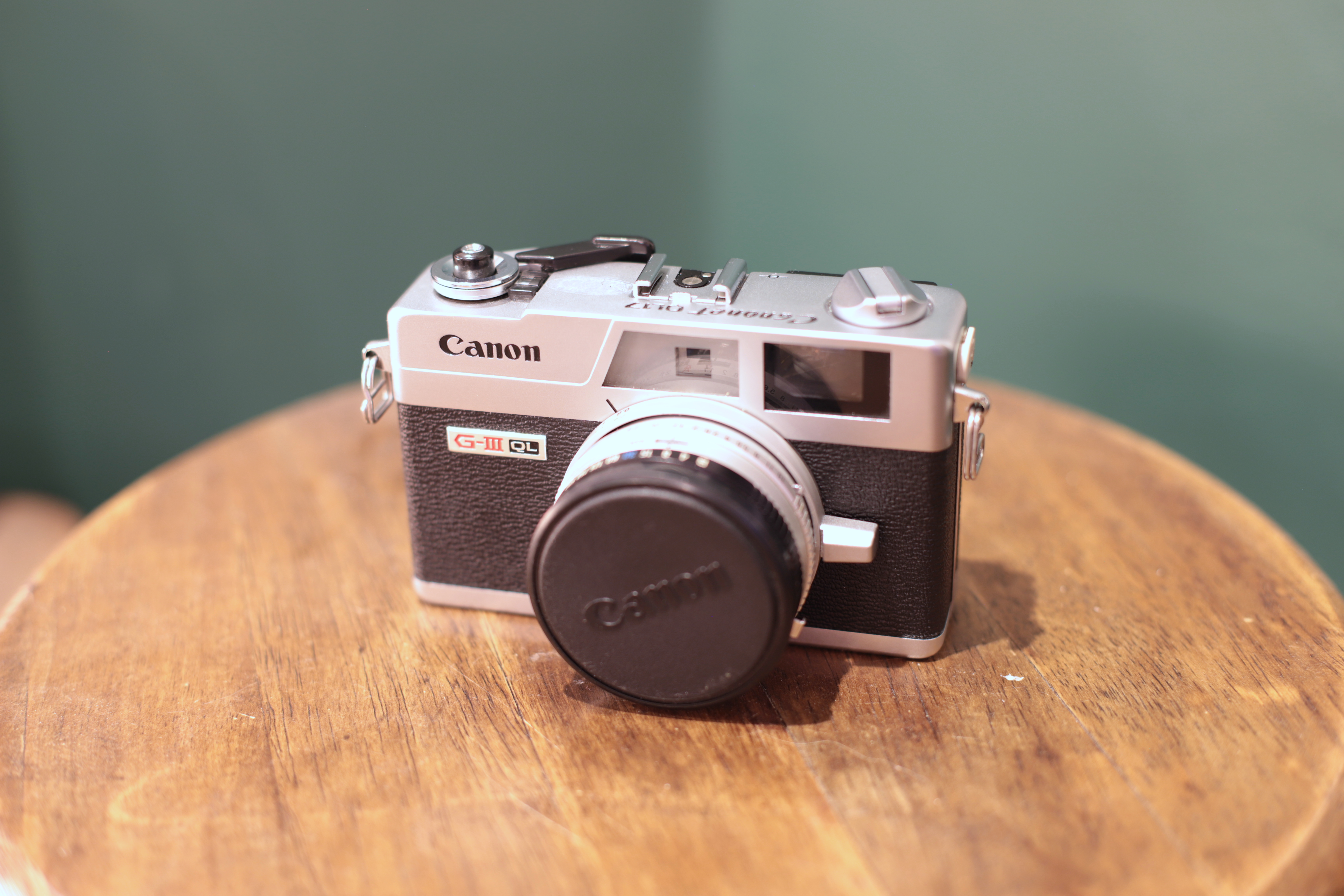
Somewhere between a poor man’s Leica and a rich man’s disposable-camera, the Canonet is a decidedly quirky little rangefinder with a lot of charm. I love the way it looks and feels, but the myriad shortcomings keep me from reaching for this camera on a regular basis. In particular, mine has a busted meter, and I find that working with even a hot shoe mounted external meter is a dissatisfying workflow interruption. I’ve tried in vain to find someone willing to service it, and while I fancy myself a competent repairman, the diminutive body and its miniature internals are a challenge for someone with even slightly tremorous hands. While the viewfinder is an impressive engineering feat, it’s still more difficult to focus and less accurate than a “regular” SLR design. I do appreciate the size for its portability, and I likewise appreciate that this portable little camera still affords the user full manual control. Lastly however, I find that that the biggest advantages of the rangefinder design are lost on the 40mm lens; many online enthusiasts will laude the optical quality of the QL17, but I have no trouble achieving sharpness from SLR lenses of similar focal-length. Rangefinders should really shine at wider angles, but this is not one of those rangefinders with an interchangeable lens system. Maybe those Germans were on to something after all.
Canon QL17 GIII
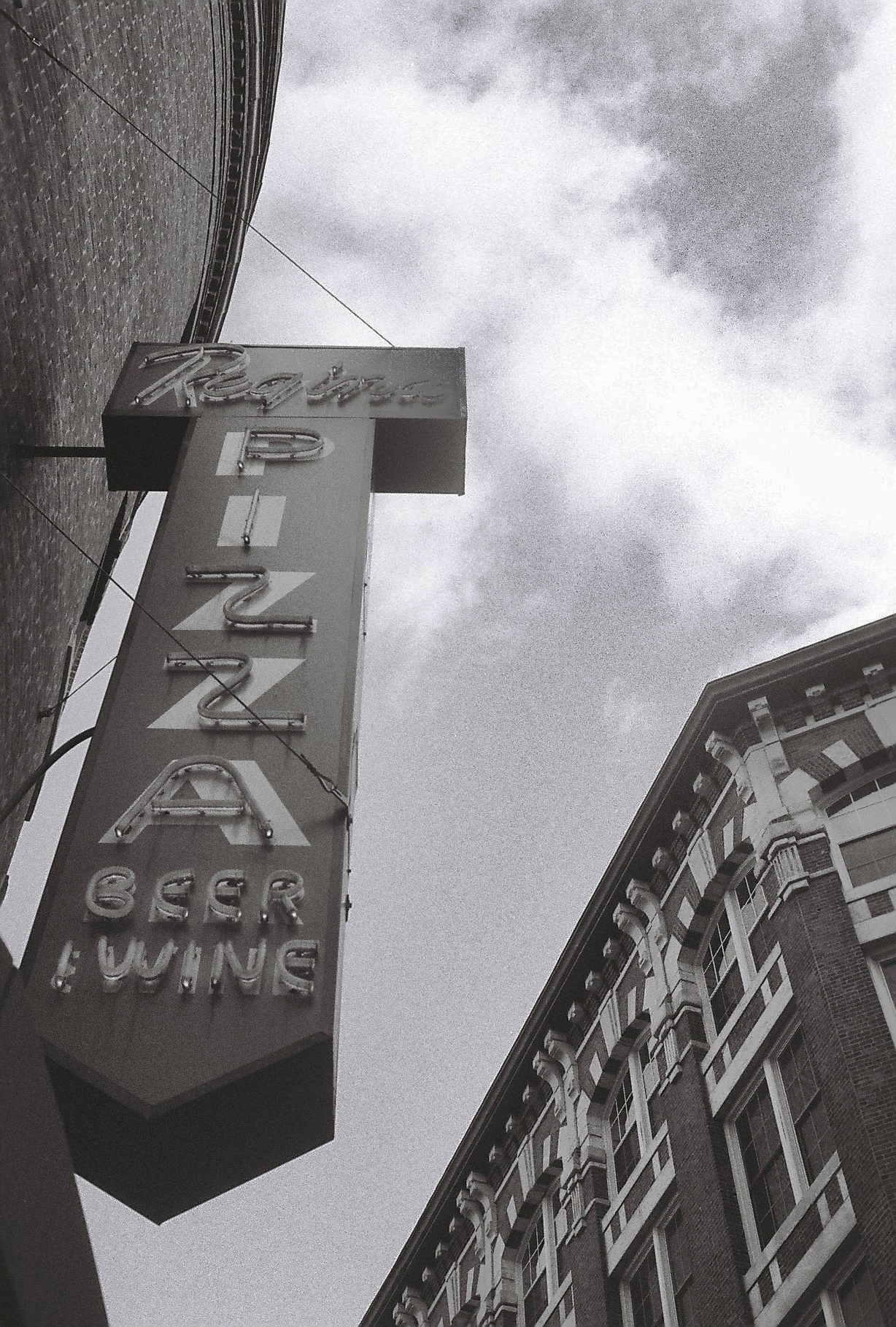
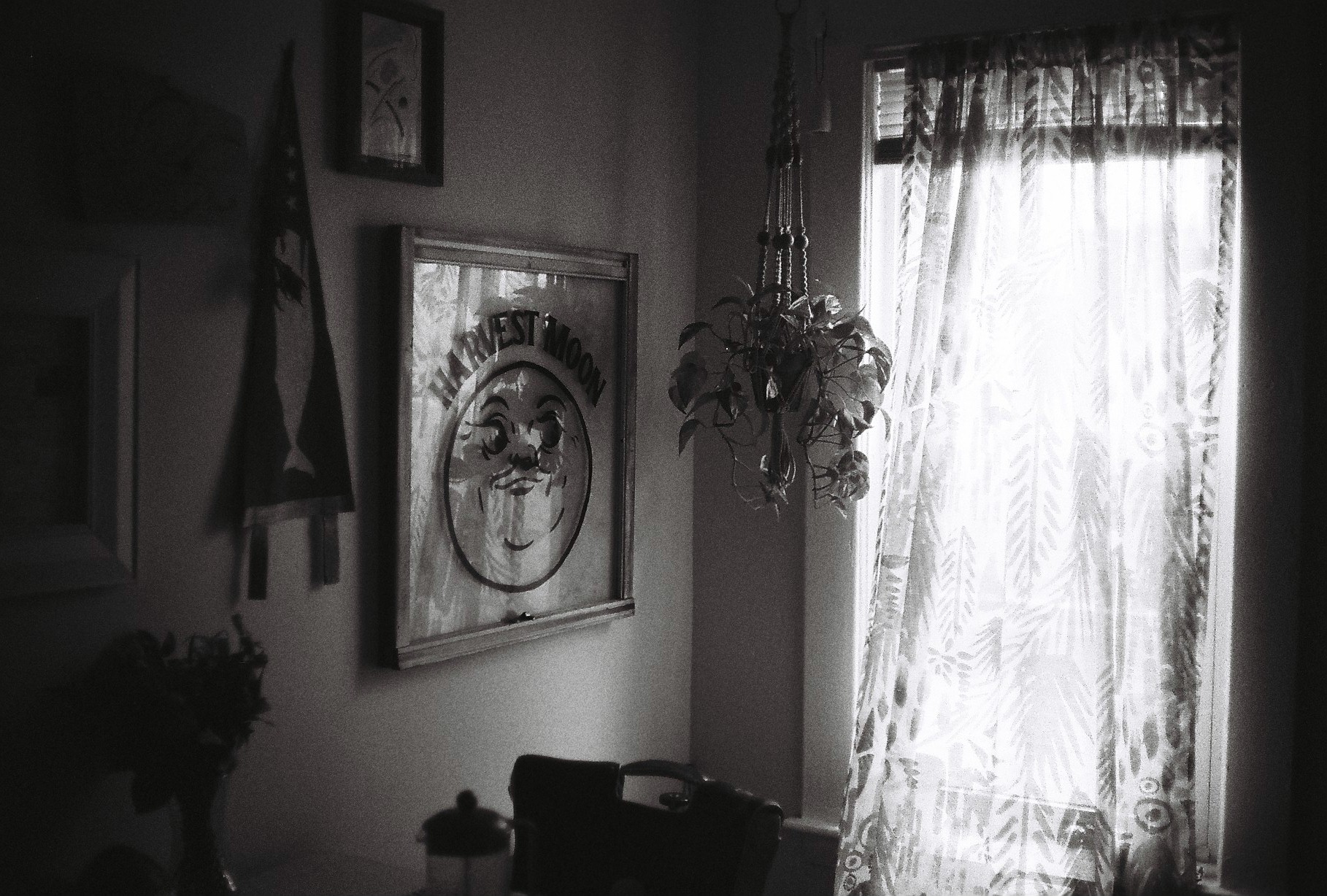
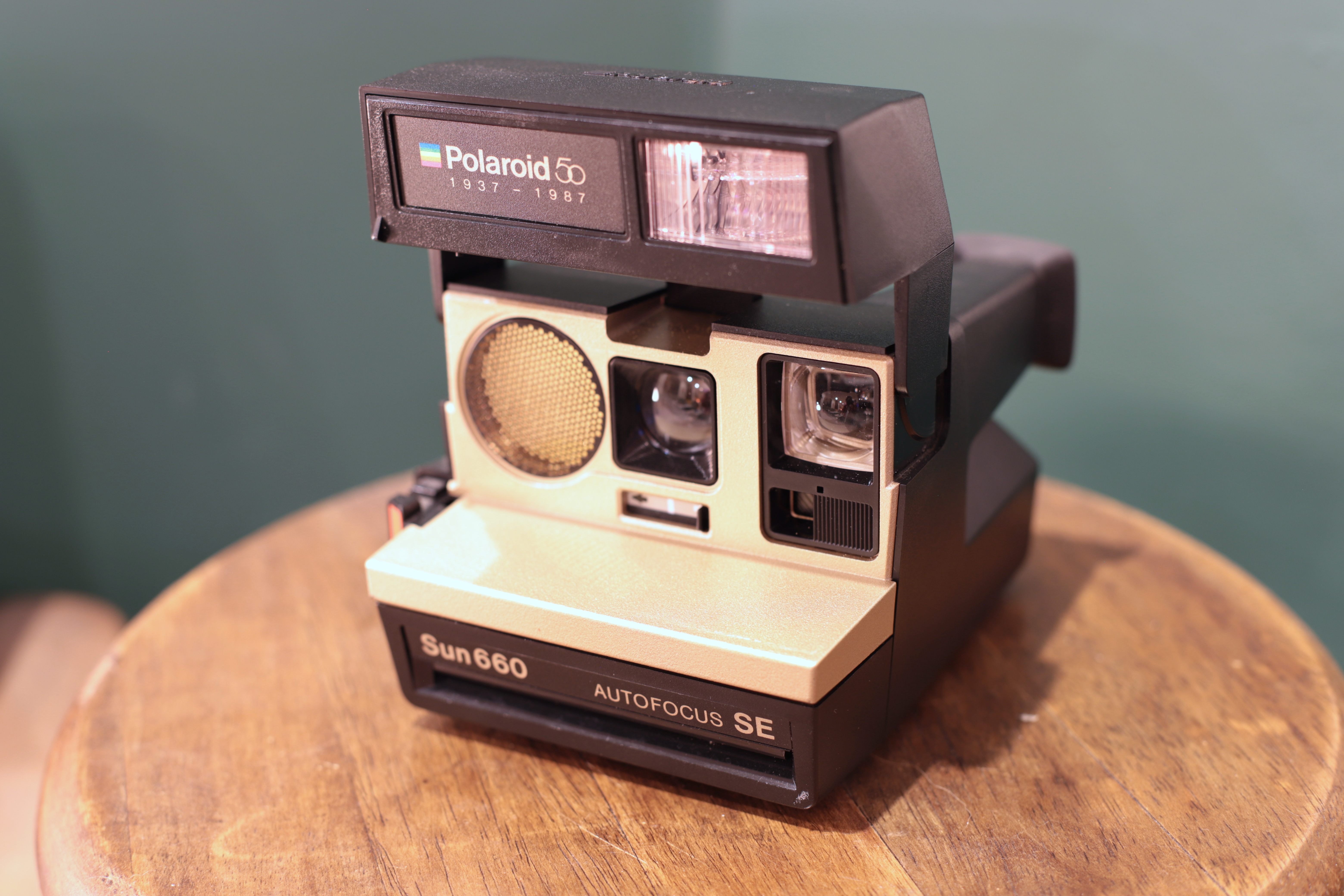
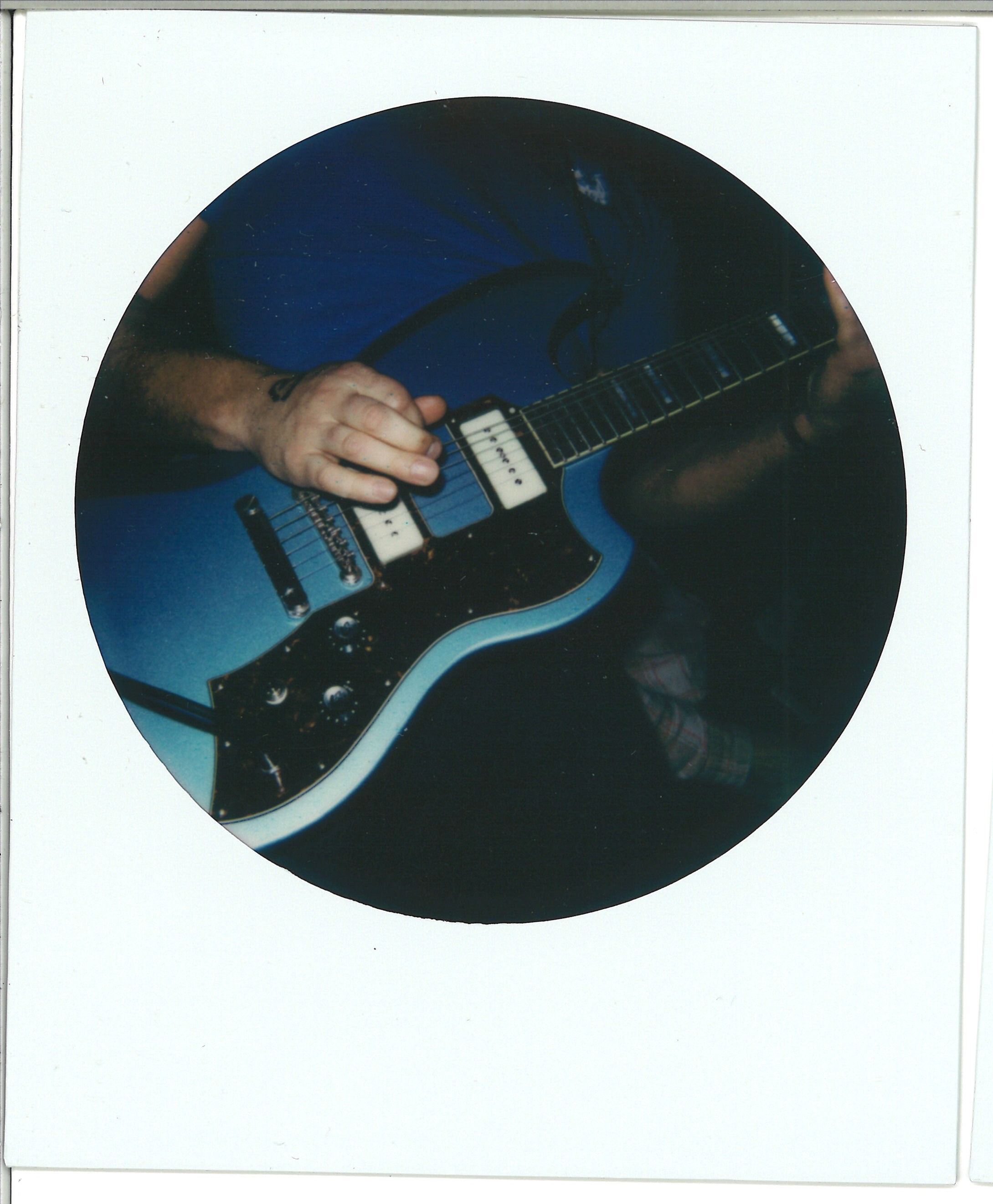
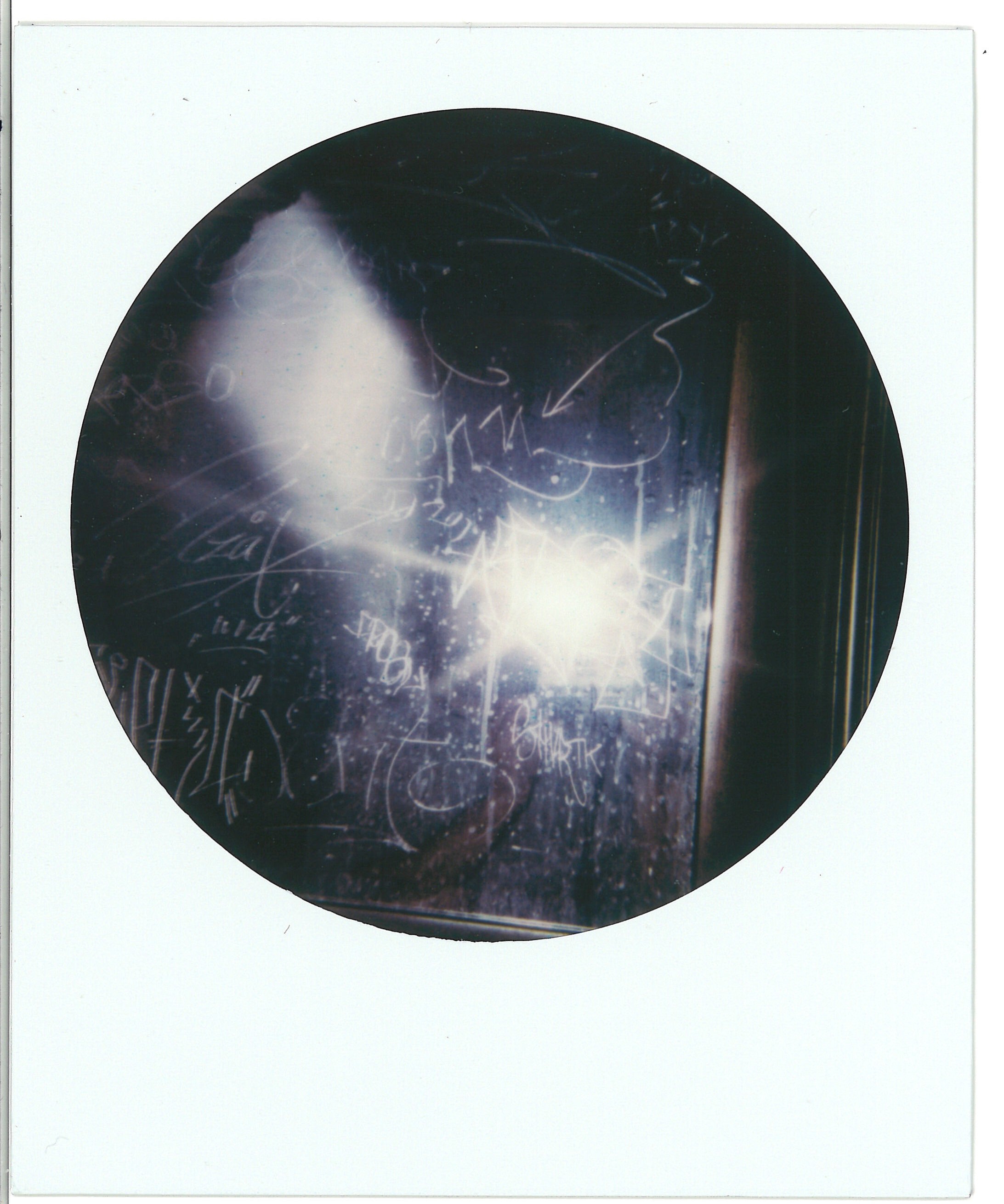
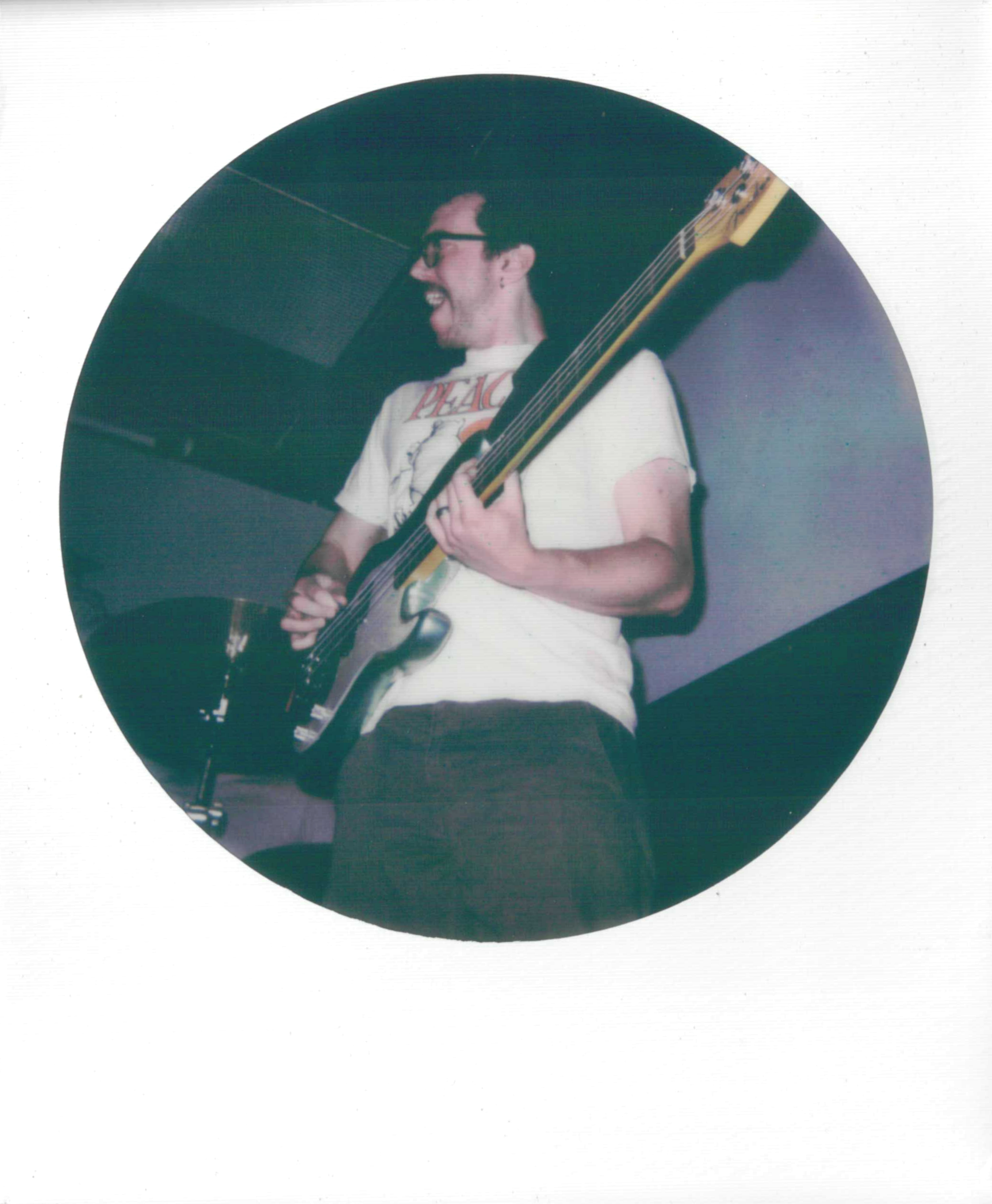
The Polaroid democratized photography the same way Warhol democratized fine art. Are the limited controls crude? No, they’re immediate. Is the instant gratification juvenile? No, it’s exciting. Far from a professional photographer’s camera, the Polaroid is still an important tool for anyone who’s more interested in curating a vibe than taking themselves too seriously.
Polaroid 660
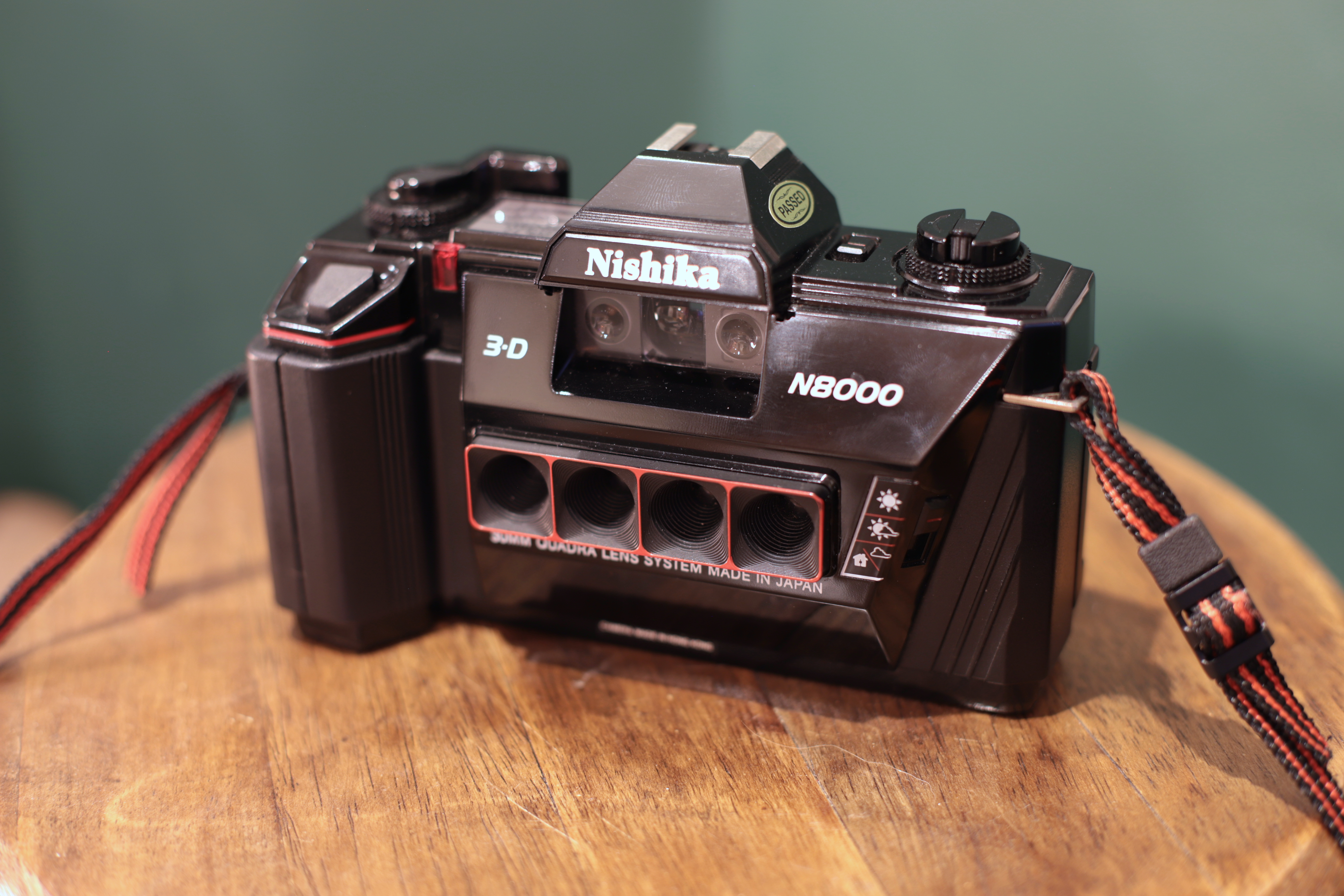
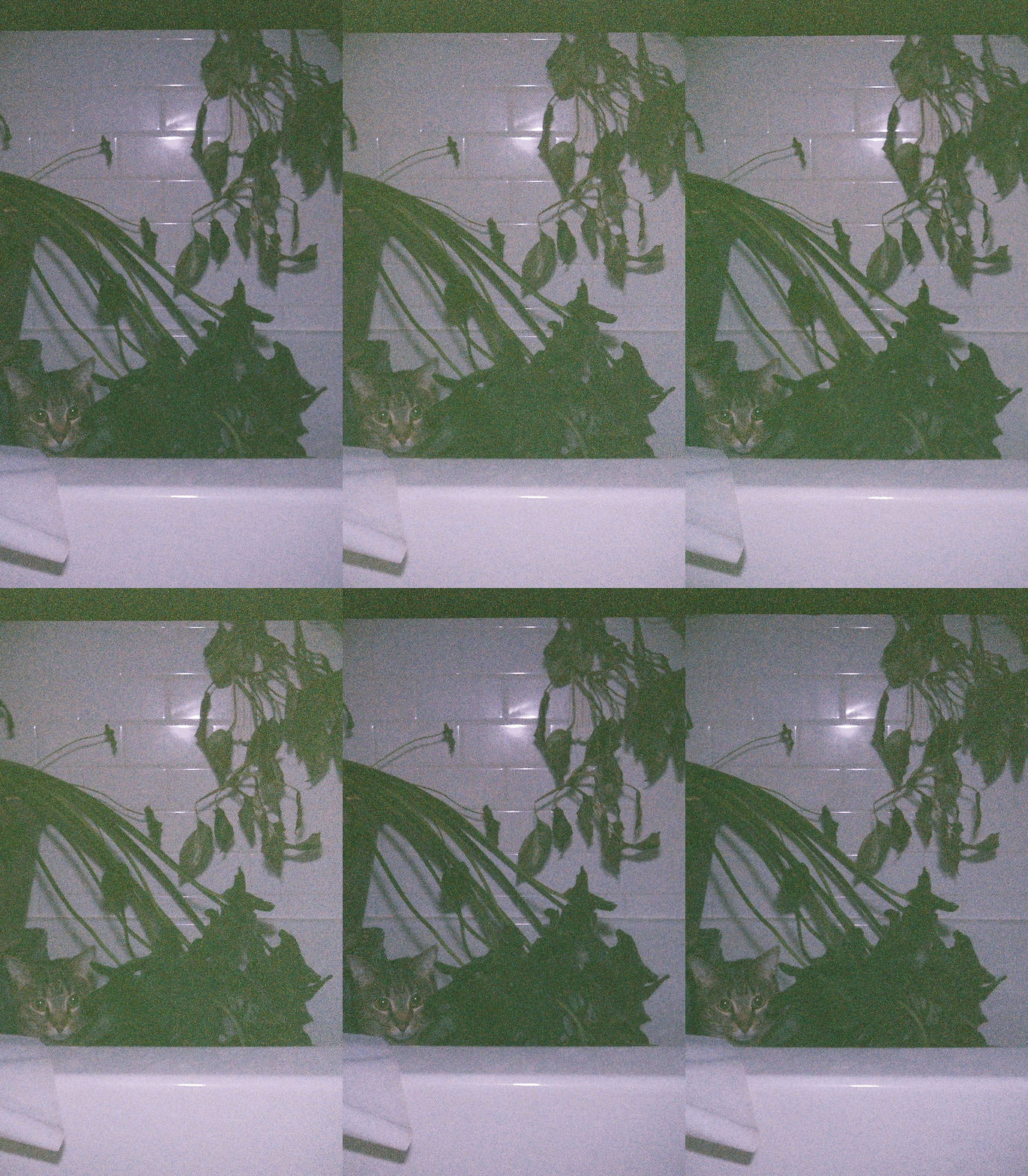
I can’t imagine how the N8000 was meant to be used in the pre-digital era, but since the advent of the .gif, this toy camera has taken on a whole new life. Four side-by-side lenses capture four images at the exact same moment with slightly different perspectives. This yields unbelievably playful vignettes that seem to capture a feeling more than a moment. Is the N8000 annoying to use? Well yeah, duh; there’s a fixed shutter speed and only 3 apertures, but when you can get it to work, something magical happens. The samples below were taken with flash on expired film, and they exude the type of angsty honesty that I am interminably chasing with my photography.
Nishika N8000


 Jonathan Zonenshine